
Parts For Sale
Browse parts for sale including heavy equipment parts, truck parts, engine components, hydraulic systems, attachments, undercarriage parts, and replacement components.
Learn morePopular Parts Categories
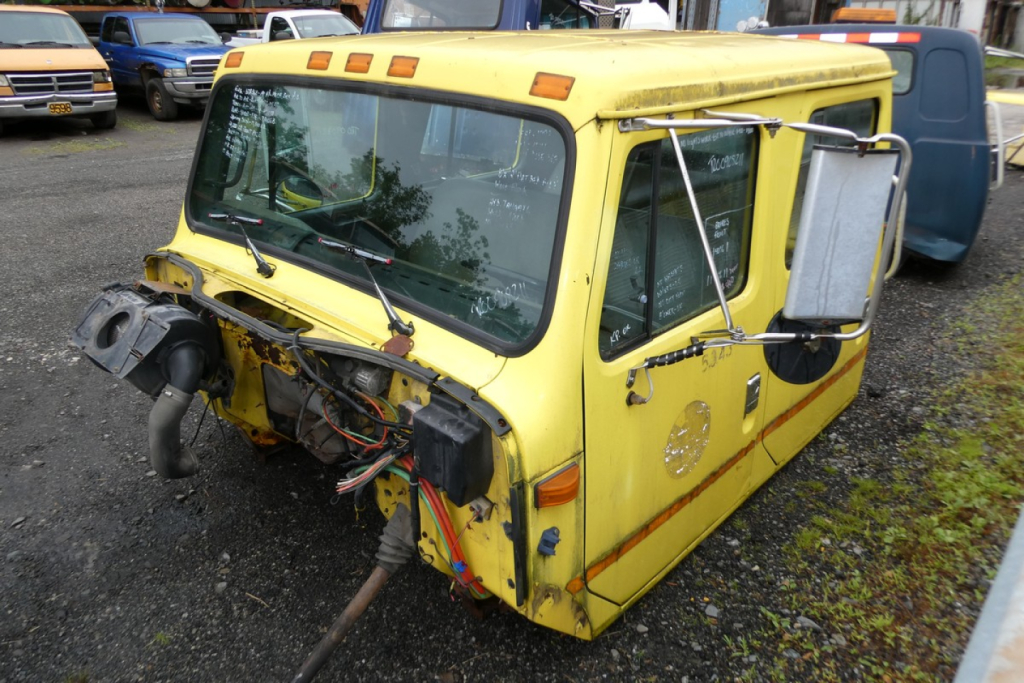
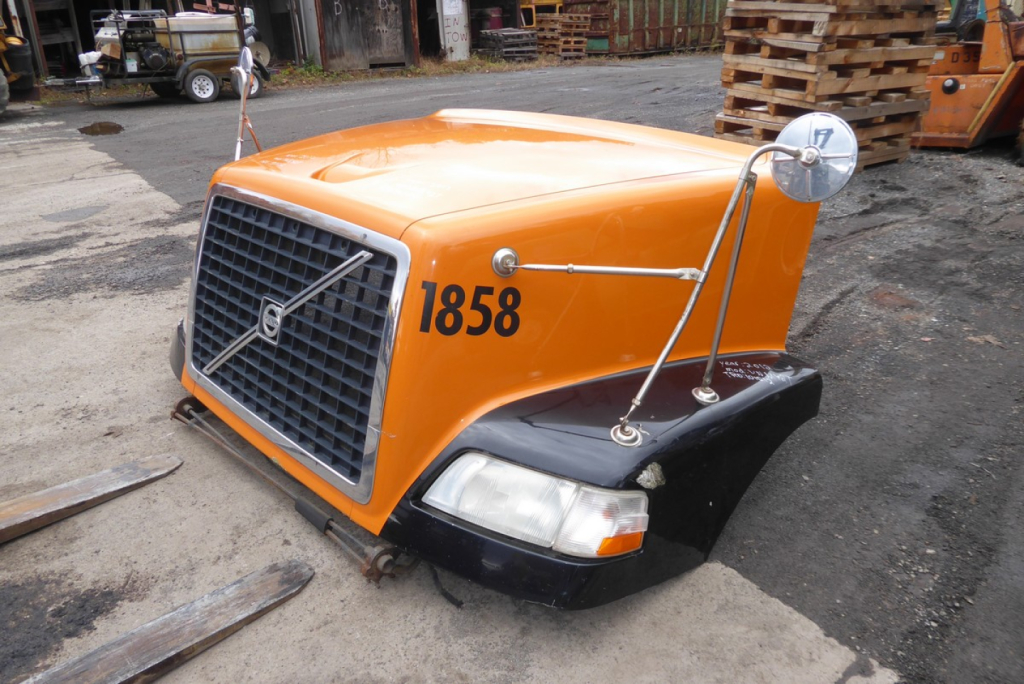
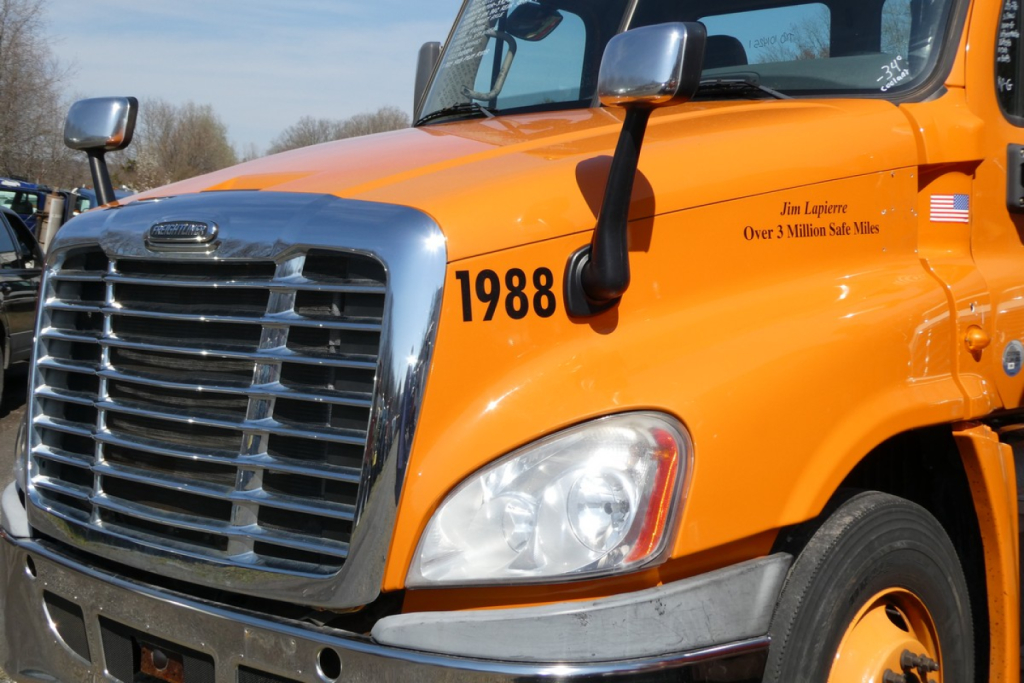
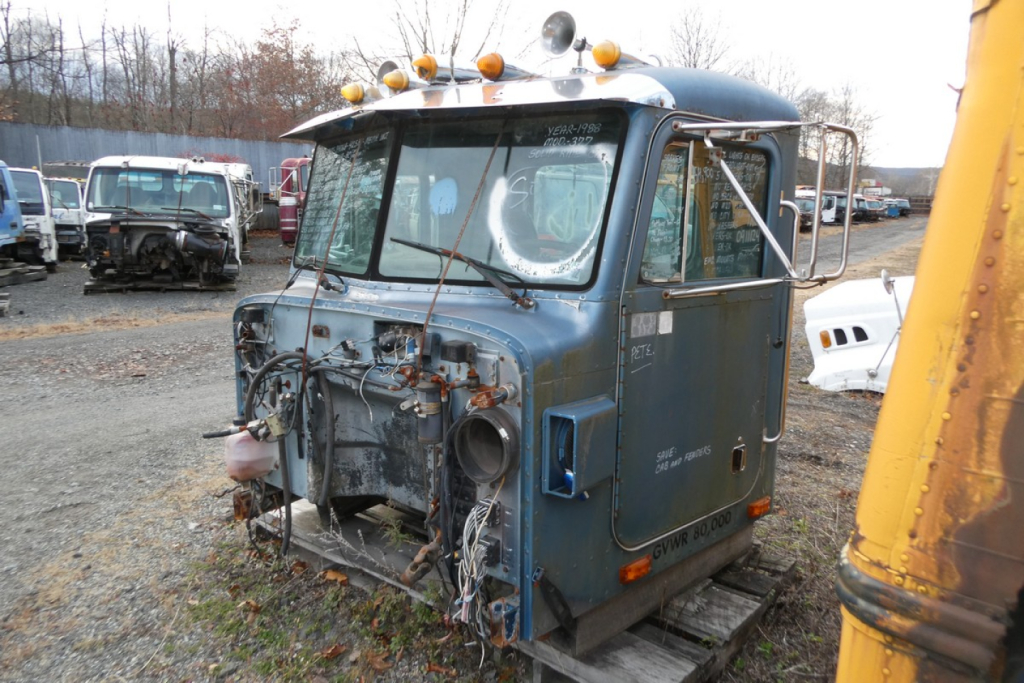
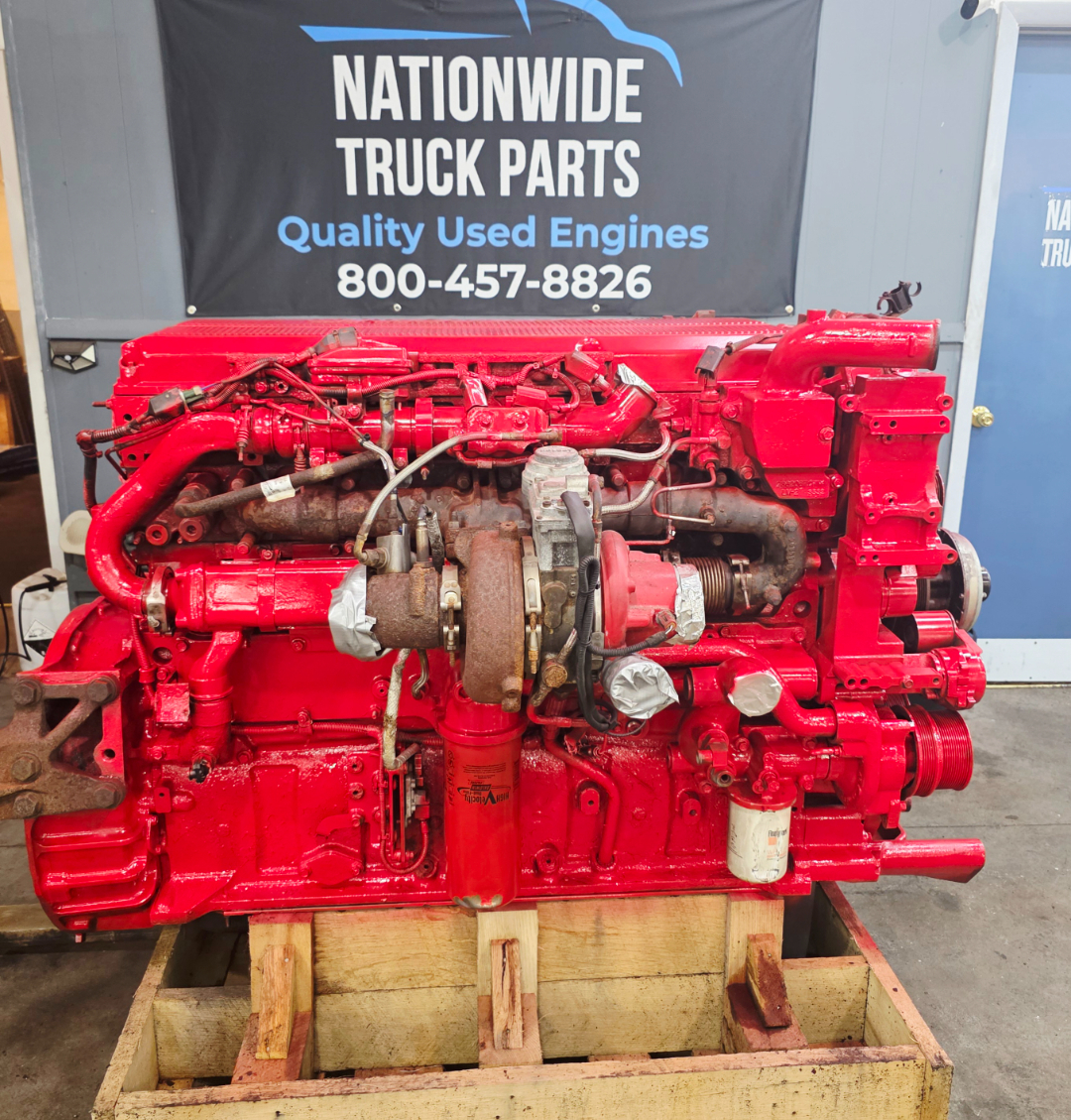
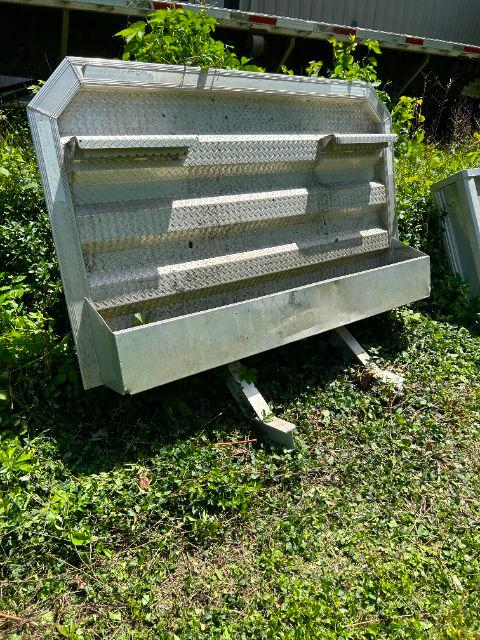
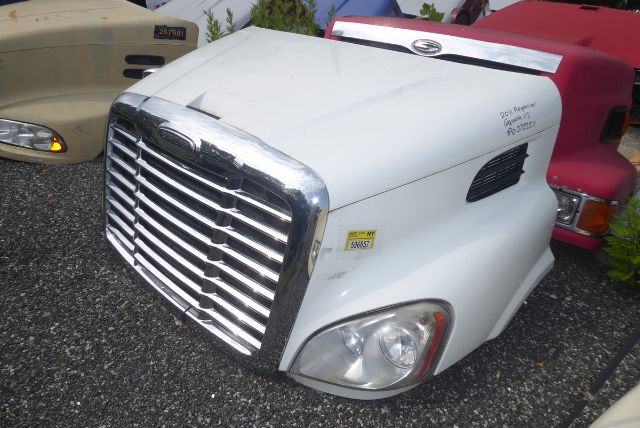
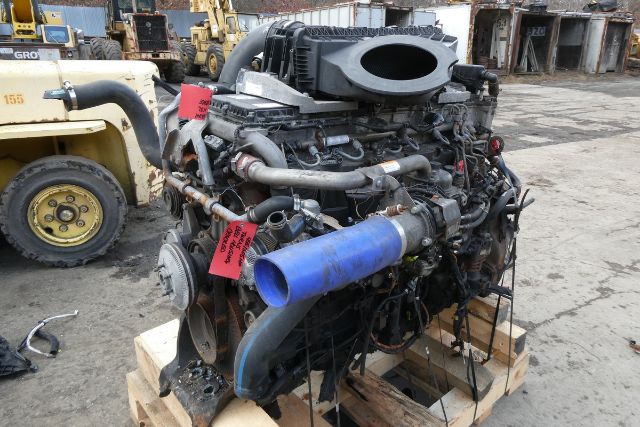
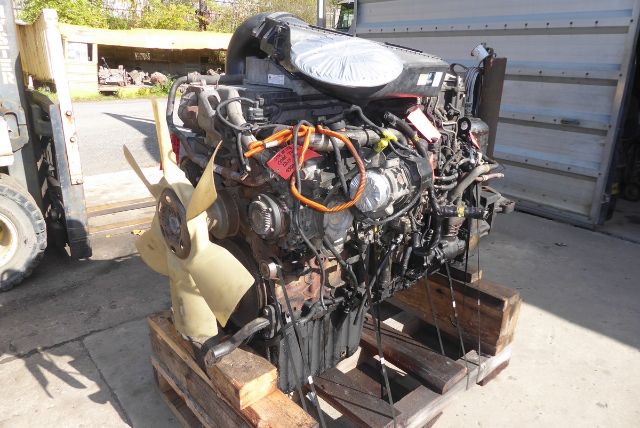
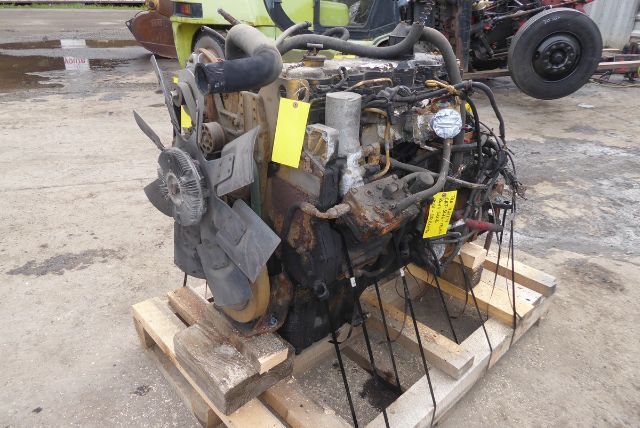
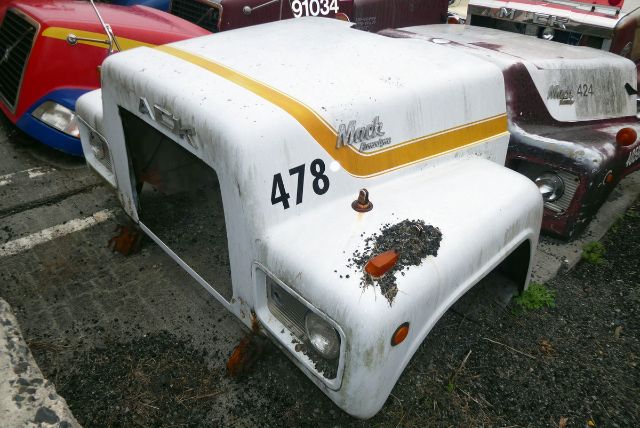
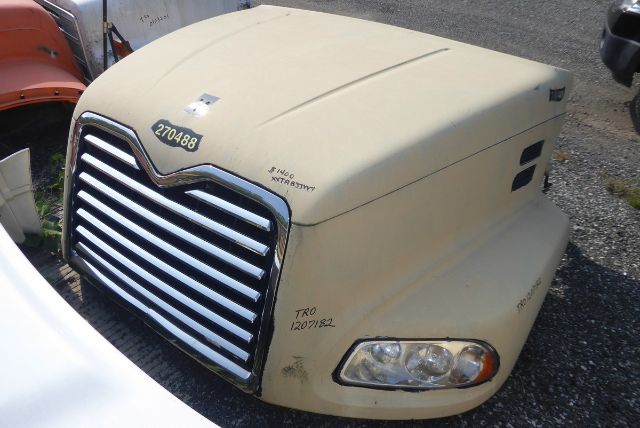
Showing 1 to 12 of 25 results
Have part to sell? List it here to reach thousands of buyers.
About Parts
When evaluating parts, start by confirming manufacturer part numbers, serial number breaks, machine compatibility, and any model-specific requirements. Many components look similar but differ internally based on production year, emissions package, axle ratio, hydraulic flow requirements, or electronic control systems. Engine and drivetrain parts should be matched carefully to horsepower ratings, emissions configurations, and transmission specifications. Hydraulic components require attention to pressure ratings, flow capacity, fitting styles, and mounting configurations to ensure proper operation.
Condition varies significantly across used, rebuilt, and remanufactured inventory. Used parts may provide substantial cost savings but should be inspected for wear, damage, corrosion, cracks, excessive play, or evidence of previous repairs. Rebuilt and remanufactured parts often include replaced wear components, testing procedures, and limited warranties that can improve long-term value. Buyers should request photos, measurements, test results, service documentation, and warranty details whenever available.
Availability and support are also important considerations. Common maintenance items such as filters, seals, bearings, hoses, brake components, lighting, sensors, and electrical parts are generally easier to source than major drivetrain or hydraulic assemblies. Before purchasing, confirm shipping dimensions, core charge requirements, return policies, and expected lead times. Selecting the correct replacement part helps minimize downtime, reduce repair costs, and keep equipment operating safely and efficiently.
Frequently Asked Questions
What should I verify before buying equipment or truck parts?
The most important step is verifying the exact part number and machine compatibility. Many components vary by serial number range, production year, engine package, or configuration. Always compare OEM references, dimensions, and specifications before ordering.
What is the difference between OEM and aftermarket parts?
OEM parts are produced by the original manufacturer, while aftermarket parts are made by third-party suppliers. OEM parts typically provide direct-fit compatibility, while quality aftermarket options may offer lower pricing and wider availability.
Are used equipment and truck parts worth buying?
Used parts can provide significant savings when sourced from reputable sellers and properly inspected. Buyers should check for wear, damage, corrosion, cracks, previous repairs, and overall condition before purchasing.
What is the difference between rebuilt and remanufactured parts?
Remanufactured parts are typically disassembled, inspected, machined, and rebuilt to meet specific performance standards using new wear components. Rebuilt parts may vary depending on the repair process and components replaced.
What should I know before ordering large equipment parts?
Confirm shipping costs, dimensions, core return requirements, warranty coverage, return policies, and estimated delivery times before purchasing. Large assemblies such as engines, transmissions, and hydraulic components often require freight shipping and special handling.